Black Friday Marketing Strategies 2026: A Plan Built on What Worked in 2025

Ishant
Published : August 2, 2023 at 6:56 pm
Updated : October 22, 2026 at 2:55 am
Ishant
Last updated: October 22, 2026
Black Friday 2026 is Friday, November 27, and Cyber Monday is November 30. The 2025 results changed the playbook: in the US, Cyber Monday outsold Black Friday online, discounts got smaller, and repeat buyers drove more of the growth. Here are the Black Friday marketing strategies that data supports, for US and Australian stores.
Quick Answer: what are the best Black Friday marketing strategies for 2026?
The best Black Friday marketing strategies for 2026 are to set the discount from your margin, plan for a five-day Cyber Week rather than one Friday, grow and segment your email and SMS list now, get offers approved in Google Merchant Center early, fix checkout friction, and turn first-time buyers into repeat customers after Cyber Monday.
Key Observations
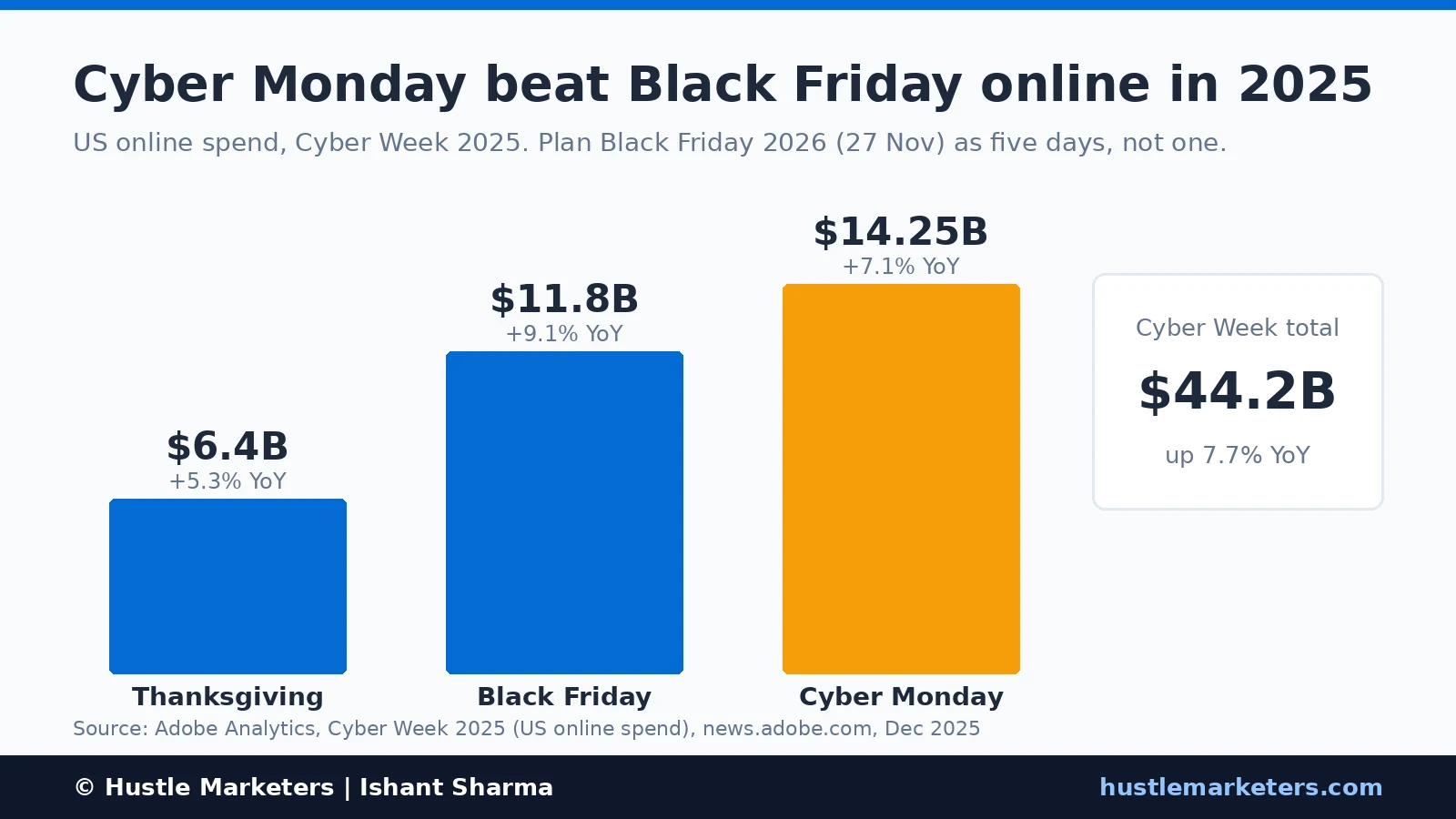
- In 2025, US Cyber Monday online spend was $14.25 billion against $11.8 billion on Black Friday, per Adobe.
- Klaviyo brands cut discounts by 10% in 2025, and the brands with the smallest discounts grew 14%.
- Email and SMS drove 42% of BFCM revenue across 10,000 Klaviyo brands.
- Google reviews Merchant Center promotions at their start time, and that can take up to 72 hours.
- Australia runs Black Friday on the same date, with stricter strikethrough price history rules.
Here is the 2026 plan at a glance:
| Strategy | Deadline in 2026 | Why it matters |
|---|---|---|
| Set offer from break-even ROAS | October 31 | Protects margin on every order |
| Fix feed, tracking and sale pages | November 8 | Ads, free listings and AI tools read this data |
| Grow and segment email and SMS lists | November 15 | Owned channels drove 42% of Klaviyo brands’ BFCM revenue |
| Submit Merchant Center promotions | November 16 to 23 | Review can take up to 72 hours |
| Run Black Friday through Cyber Monday | November 26 to 30 | Cyber Monday was the biggest US online day in 2025 |
| Start retention flows | December 1 | Repeat buyer revenue grew 13.5% in 2025 |
Want a second pair of eyes on your sale setup? Get Free Audit Worth $500
In this guide
When is Black Friday 2026? US and Australia calendar
Black Friday 2026 falls on Friday, November 27, the day after US Thanksgiving on Thursday, November 26. Cyber Monday is Monday, November 30. Australia uses the same Friday and Monday, so one calendar works for both markets, plus the shipping cut-offs that decide when “arrives by Christmas” messages must stop.
| Date (2026) | United States | Australia | Marketing action |
|---|---|---|---|
| Mon, Nov 23 | VIP early access | Same | Promotions should be in review |
| Thu, Nov 26 | Thanksgiving | Normal trading day | Light email only |
| Fri, Nov 27 | Black Friday | Black Friday | Full launch on every channel |
| Sat, Nov 28 | Small Business Saturday | Weekend trading | Local and gift messages |
| Mon, Nov 30 | Cyber Monday | Cyber Monday | Second launch, then a true last call |
| Dec 14 to 23 | USPS: Ground Advantage Dec 17, Priority Mail Dec 18, Priority Mail Express Dec 19 | Australia Post: Parcel Post about Dec 14 (WA) to Dec 22, Express Post about Dec 22 to 23 | Final “arrives by Christmas” sends, then gift cards |
| Sat, Dec 26 | Returns season | Boxing Day sales | Second sale for Australian stores |
Sources: US federal holidays 2026, Small Business Saturday, USPS 2026 holiday dates, SBS News on Australia Post 2026 cut-offs. Confirm with your own carrier.
The date moves because it follows Thanksgiving, the fourth Thursday in November. See our Black Friday history guide.
What did Black Friday 2025 show about shoppers?
Black Friday 2025 showed that the event is now a five-day Cyber Week (Thanksgiving through Cyber Monday), that Cyber Monday is the biggest US online day, and that shoppers bought more from brands they already knew.
| 2025 result | Figure | Source | What it means for 2026 |
|---|---|---|---|
| US Cyber Week online spend | $44.2B, up 7.7% | Adobe | Plan five days, not one |
| US Black Friday vs Cyber Monday online spend | $11.8B (up 9.1%) vs $14.25B (up 7.1%) | Adobe | Give Cyber Monday its own launch |
| Cyber Monday spend on mobile | 57.5% | Adobe | Test checkout on a phone first |
| Generative AI traffic to US retail sites, holiday season | Up 693.4% | Adobe | State price, offer and shipping clearly |
| Global Cyber Week orders influenced by AI and agents | 20% ($67B) | Salesforce | AI assistants shape deal discovery |
| Shopify merchants’ BFCM sales | $14.6B, up 27%; average cart $114.70 | Shopify | Bundles that lift cart value pay off |
| BFCM revenue from email and SMS | 42% (43% on peak days) | Klaviyo | Your list is the cheapest channel you own |
| Repeat buyer revenue | Up 13.5% while discounts fell 10% | Klaviyo | Loyalty beats deeper discounts |
Sources: Adobe Cyber Week 2025, Adobe 2025 holiday season, Salesforce Cyber Week 2025, Shopify BFCM 2025, Klaviyo BFCM 2025.
The sources measure different things: Adobe tracks US online spend, Salesforce counts global sales from November 25 to December 1, 2025 ($336.6 billion), and Klaviyo covers 10,000 of its brands.
How do you create a successful Black Friday marketing plan?
A successful Black Friday marketing plan starts with your margin and works forward: pick the products, set an affordable offer, decide who hears first, then build the pages, feeds and messages. Most stores can finish these six steps in four weeks.
- Pull last year’s numbers. List your top 20 products by profit, not revenue, and note which sold out.
- Set the offer from break-even ROAS. ROAS (return on ad spend) is revenue divided by ad spend; break-even ROAS is 1 divided by your contribution margin before ad costs. See our break-even ROAS guide.
- Choose one main offer. One clear deal per audience beats five competing codes.
- Segment the audience. VIPs, past buyers, subscribers who never bought, and new visitors each get a different message and start time.
- Build the assets. Sale page, feed sale prices, Merchant Center promotions, email and SMS flows, creative.
- Set daily targets. Write down order, revenue and ROAS goals for each day from November 23 to December 1.
Here is how the margin math changes an offer. A $100 product that costs $50 to make and ship has a break-even ROAS of 2.0. Take 30% off and the price drops to $70 while costs stay at $50, leaving $20. Break-even ROAS jumps to 3.5, so the same ad spend needs far more revenue to stay profitable.
What should you do each week from now until Cyber Monday?
From late October, you have about five weeks before Black Friday 2026. Use the first two weeks for decisions and data, the middle weeks for building and approvals, and the final week for running the sale.
| Week (2026) | Focus | Tasks |
|---|---|---|
| Oct 26 to Nov 1 | Offer and margin | Pick products, set discounts from break-even ROAS, check stock |
| Nov 2 to 8 | Data and pages | Add sale_price and effective dates to the feed, test conversion tracking, publish the sale page |
| Nov 9 to 15 | Lists and creative | List-growth pop-up, segments, emails, SMS and creative |
| Nov 16 to 22 | Approvals and warm-up | Submit Merchant Center promotions, announce early access, load-test checkout, brief support staff |
| Nov 23 to 29 | Black Friday week | VIP early access Monday, launch Friday, check stock and spend twice a day |
| Nov 30 to Dec 6 | Cyber Monday | Second launch Monday, end the sale on time, start thank-you and review flows |
| Dec 7 to 19 | Shipping and gifting | Cut-off reminders, gift cards, holiday bundles at light discount |
Reading this in mid-November? Skip to the last-minute checklist.
Which Black Friday promotion ideas protect your margin?
The Black Friday promotion ideas that protect margin add value instead of cutting price across the board. In Klaviyo’s 2025 data, brands with the smallest discounts grew 14%, and daily average discounts stayed at or under 30% outside Home and Garden. These work for most stores:
- Tiered thresholds: “Spend $100, save $15; spend $200, save $40” lifts cart value.
- Bundles: Pair a bestseller with a slow mover at one price.
- Gift with purchase: Feels generous and keeps the headline price.
- VIP early access: Past buyers shop a few days before everyone else.
- Free shipping over a threshold: Removes the top reason for abandoned carts.
- Launch or restock a bestseller: Gives your list a reason to open beyond a code.

What pricing rules apply to Black Friday discounts?
Black Friday discounts must compare against a real former price. In the US, the FTC’s Guides Against Deceptive Pricing (16 CFR 233.1) treat a former price as genuine only if you openly offered it, in good faith, for a reasonably substantial period. In Australia, the ACCC’s December 2024 sweep of Black Friday advertising flagged was/now prices, RRP-based savings, vague “up to” claims and site-wide claims with exclusions.
Never raise a price in November to inflate the discount, and use countdowns that end when they say. This is general marketing information, not legal advice.
How do you set up Google Merchant Center promotions and free listings for Black Friday?
Google Merchant Center promotions show a deal, such as 20% off or free shipping, on Shopping ads and free product listings. Google runs a policy review soon after you submit, then a product review at the promotion’s start time, which typically finishes within 24 hours but can take up to 72 hours. Google asks you to submit at least 24 hours ahead, so aim for the week of November 16.
That second review is the one most stores miss: a code starting at midnight on Black Friday may not show on Google until the weekend. If your public deal can open on November 24 or 25, use that start date.
| Rule | What Google requires |
|---|---|
| Countries | 13 markets, including the US and Australia |
| Minimum discount | At least $5 or 5% off (or local equivalent); free gifts exempt |
| Not allowed | “Up to X% off” with no floor, deals for a subset of shoppers, discounts already shown on the landing page |
| Free shipping | Needs a code unless combined with another allowed promotion |
| Longest run | 183 days |
| Timing | Submit 24 hours ahead; review up to 72 hours |
Sources: Google Merchant Center Help, Get started with Promotions and Promotion approval process, read October 22, 2026.
One rule decides which tool you use. If your product page already shows the Black Friday price, use the sale_price feed attribute, not a promotion. Promotions are for codes and cart-level offers.
When does Google show a strikethrough sale price?
Google shows a strikethrough price and sale badge when the discount is more than 5% and under 90%, both prices appear on your landing page, and the base price has history. US Shopping ads need the base price charged for 5 days in the past 30, or 15 days in the past 200. Australian Shopping ads need it valid for 30 days within the past 200, per Google’s sale price annotation rules.
Free listings show your sale price at no cost. See our guides to free listings in Google Merchant Center, Shopping annotations and badges, product feed optimization and custom labels by margin tier.
What does a Black Friday email and SMS schedule look like?
A Black Friday email and SMS schedule sends fewer, better-timed messages to the right segments: a teaser, VIP early access, the Friday launch, a Cyber Monday launch and one true last call. Email and SMS drove 42% of BFCM revenue for Klaviyo brands in 2025. Text only people who opted in, and less often than you email.
| Date (2026) | SMS | |
|---|---|---|
| Mon, Nov 16 | Teaser and early access sign-up | None |
| Mon, Nov 23 | VIP early access opens | Early access link to VIPs |
| Fri, Nov 27 | Morning launch | Launch text |
| Nov 28 to 29 | Bestsellers or gift guide to non-buyers | None |
| Mon, Nov 30 | Cyber Monday launch, evening last call | Last-call text |
| Dec 1 to 7 | Thank-you, review request, shipping cut-off | Shipping update only |
In a Klaviyo Community thread from December 2025, one Klaviyo Champion said fewer sends gave the best days, and a 10am email drew most clicks between 9pm and 11pm. That is one store’s experience; check your own open times.


What are affordable ways to improve Black Friday conversion rate?
The most affordable ways to improve Black Friday conversion rate fix why shoppers leave. Baymard Institute puts average cart abandonment at 70.22% across 50 studies. At checkout, 40% of shoppers cite extra costs, 20% slow delivery, 19% card trust, 18% forced account creation and 17% a long checkout, per Baymard.
- Show the full price early. Put shipping costs and thresholds on product pages.
- Turn on guest checkout. Offer an account after the order, not before.
- Add express wallets and Buy Now, Pay Later. Adobe tracked $1.03 billion in BNPL spend on Cyber Monday 2025.
- Put trust signals near the button. Returns policy, delivery dates and reviews beside “Add to cart”.
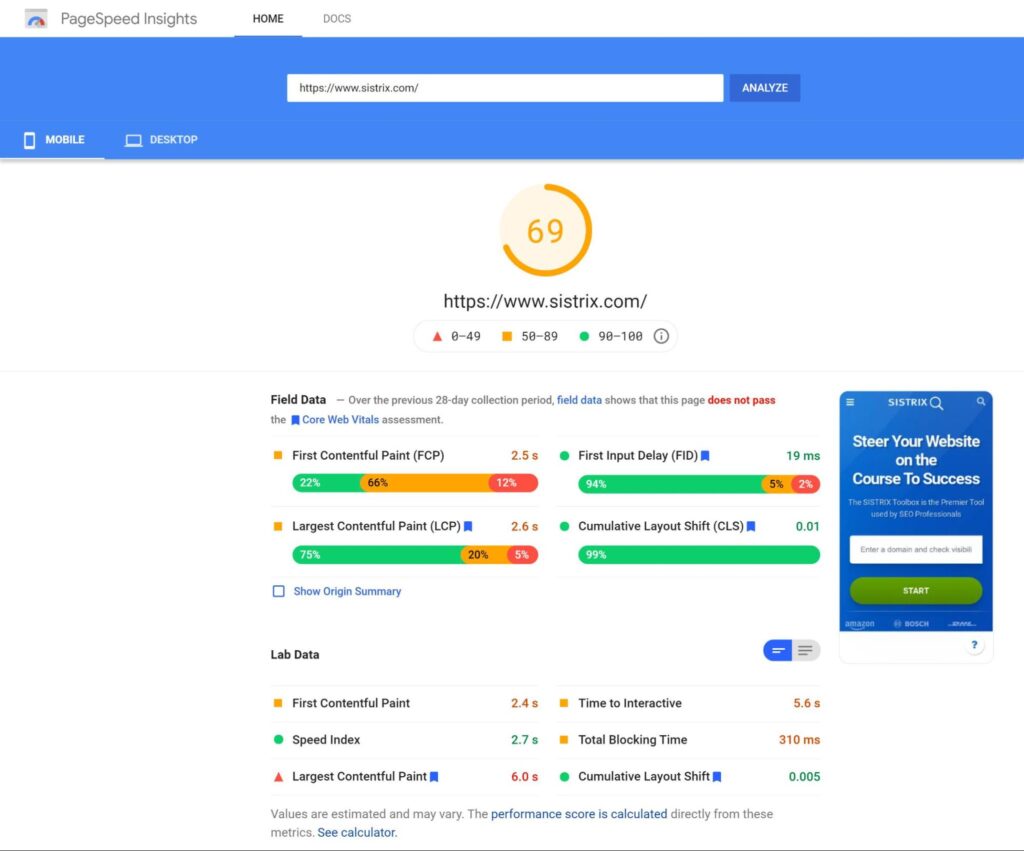
- Speed up your top 10 product pages. Compress images and remove unused apps.
- Set up cart recovery. One reminder within an hour, a second the next day.
Most cost time, not money. Our conversion rate optimization services page explains a fuller review.



Not sure where your checkout is losing orders? Get Free Audit Worth $500
Black Friday marketing tips to stand out from competitors
To stand out on Black Friday, give shoppers a reason to pick you beyond a bigger discount: one offer stated the same way everywhere, pages that AI assistants and search engines can describe correctly, and content people share.
How do AI shopping assistants change Black Friday?
AI shopping assistants now send real buyers. Adobe measured a 693.4% rise in generative AI traffic to US retail sites over the 2025 holiday season, and Salesforce said AI and agents influenced 20% of global Cyber Week orders. Write titles, prices, offer terms, shipping dates and return rules in plain text so an assistant can quote them.
What does Black Friday SEO involve?
Black Friday SEO means keeping one permanent sale page, such as /black-friday/, and updating it each year instead of creating a new URL. The page keeps its links and history, so it can rank before the sale starts. Add this year’s offer and dates by early November.
What should Black Friday social media posts say?
Black Friday social media posts work best as a short series: a dated teaser, how early access works, the launch, a bestseller roundup and a last call. Social media drove 15% of global digital traffic to retailers in Cyber Week 2025, and TikTok’s share of social traffic rose 55%, per Salesforce. Adobe found affiliates and partners, including influencers, earned 21.8% of US Cyber Monday revenue, so book creators by early November.

How much paid media does a Black Friday plan need?
Paid media should amplify a Black Friday plan, not replace it. Ads work best on warm audiences and high-intent searches; email, SMS, feeds and organic pages do the rest:
- Google Shopping and Performance Max for products people already search for.
- Search campaigns on brand and “black friday” product terms.
- Meta retargeting for visitors and past buyers.
Budgets, bidding, ad copy and PPC campaign examples that work well during Black Friday in the United States are in our Black Friday advertising guide. Estimate spend with the Google Ads budget calculator and CPC calculator.
Last-minute Black Friday marketing strategies: what still works with a week left?
With a week left, the best last-minute Black Friday marketing strategies use what you already have: your list, best products, existing ads and current site. Skip new campaign types and redesigns:
- Pick one offer and three to five hero products.
- Add a sale banner and the offer to your top product pages.
- Update feed sale prices so Shopping matches the site.
- Email past buyers first, then the full list.
- Test checkout on a phone with a real card and code.
- Check stock for every promoted product.
- Write saved replies for shipping, returns and code questions.
- Set a firm end time and keep it.
A promotion added this late may not show until the weekend, so lean on sale_price in the feed. For urgent help, see our ecommerce PPC management services.
What should you do after Cyber Monday to keep new customers?
After Cyber Monday, the job is turning Black Friday buyers into repeat customers. Klaviyo reported that repeat buyer revenue grew 13.5% in BFCM 2025 and outpaced new buyer revenue. Start these flows on December 1:
| Buyer type | Message | Timing |
|---|---|---|
| First-time buyer | Thank-you, how to use the product, brand story | 1 to 3 days after delivery |
| Repeat buyer | Thank-you and early access to the next launch | Week 1 |
| Discount-only buyer | Full-price bestsellers and bundles | Weeks 2 to 6 |
| Every buyer | Review request | 7 to 14 days after delivery |
| Engaged non-buyers | Gift guide and shipping cut-off | Dec 7 to 18 |
Step ad budgets down over a few days, and remember some shoppers simply waited for the sale, so not all of the lift is new demand.
Black Friday strategies for retailers and small businesses
Small businesses and independent retailers win Black Friday by going narrow: one strong offer, the people who already know them, and a few channels done well. You do not need to match big-box discounts. Hustle Marketers would start with these tiers, by ad budget for the sale:
| Budget (USD) | Focus on | Skip |
|---|---|---|
| Under $1,000 | Email list, one offer, brand search, Shopping for bestsellers | Broad prospecting |
| $1,000 to $10,000 | Shopping or Performance Max on top products, Meta retargeting, cart recovery | New campaign types in November |
| Over $10,000 | Google and Meta across the funnel, feed promotions, creator content | Deep site-wide discounts without a margin check |
Local shops should use Small Business Saturday on November 28 and an updated Google Business Profile with sale posts and hours.
Black Friday marketing in Australia: what is different?
Black Friday in Australia falls on the same date, Friday 27 November 2026, with Cyber Monday on 30 November. The Australian Retailers Association and Roy Morgan forecast A$6.8 billion in spending from 28 November to 1 December 2025, up 4%, with about 6 million shoppers planning to spend A$804 on average, per their November 2025 forecast.
- Stricter price history: Google’s strikethrough badge on Australian Shopping ads needs the base price valid for 30 days within the past 200, so do not change base prices in November.
- Consumer law: The ACCC watches was/now pricing and RRP-based savings under the Australian Consumer Law, so keep records of your normal prices.
- Two peaks: Boxing Day sales start on Saturday 26 December, so hold one offer back for it.
- Time zones: Black Friday morning in Australia arrives while the US is still on Thanksgiving, so schedule sends in Australian time.
Hustle Marketers has run Google Ads for a Western Australian jewellery brand and an Australian maritime ID card issuer, and SEO for an Australian pet ecommerce store. The team works from Zirakpur, India, and serves Australian clients remotely.
What have Hustle Marketers clients learned from peak-season campaigns?
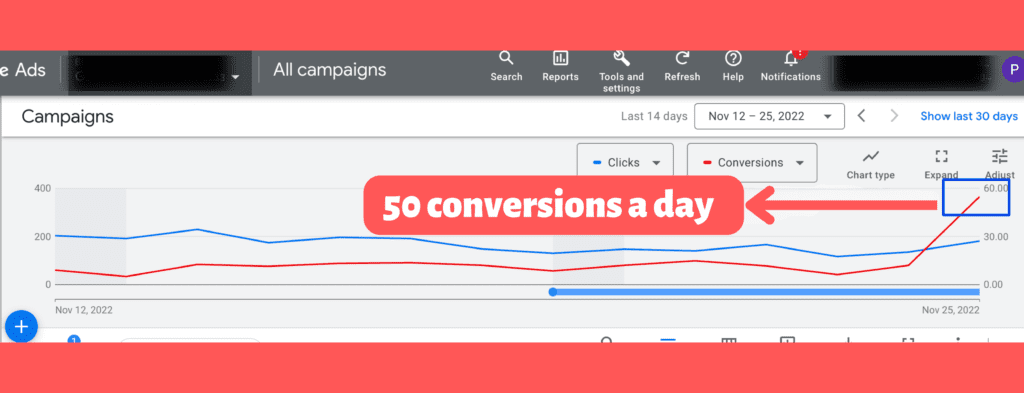
These results come from published Hustle Marketers case studies. None is a Black Friday-only campaign, but each shows part of the prep above. Other client work, including the dashboards below, is under signed NDAs, so those accounts are not named.
Building-block toy store: prep before spend
A faith-based building-block toy store on Shopify launched a brand-new Google Ads account. In its first 60 days it reached 8.5x ROAS on $5,700 of ad spend, from 7,570 clicks at $9.61 per conversion. The groundwork was Black Friday prep in miniature: feed titles, GTINs and custom labels fixed before launch, reviews synced to Merchant Center, and tracking in place before spend. Read the building-block toy brand case study.
Eichlers: planning around your own calendar
Brooklyn Judaica retailer Eichlers sells on a religious holiday calendar that ad platforms do not know about. From June 5 to October 2, 2026, its Google Ads returned $181K in conversion value on $10.6K of cost. The case study notes that the period includes the run-up to the fall holidays, so part of the lift is seasonal. Read the Eichlers case study.
Armorpoxy: AI assistants as a sales channel
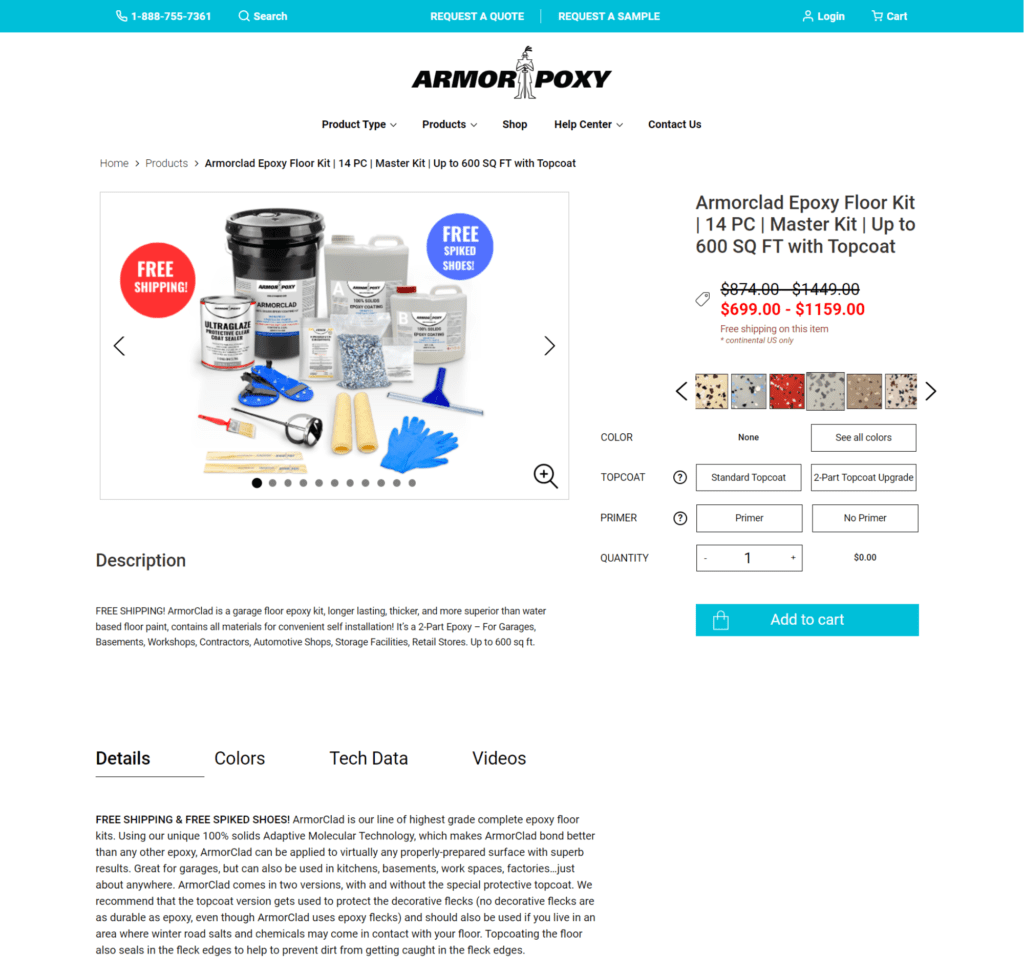
Industrial flooring brand Armorpoxy recorded 3,686 sessions and $25,343.87 in revenue from ChatGPT referrals between January 1 and November 13, 2025, in GA4, after SEO work that included seasonal and promotional title variations. Read the Armorpoxy case study.

What does Black Friday marketing help cost?
Black Friday help from Hustle Marketers costs the same as the rest of the year, month to month, and you own every ad account. Ad spend is paid directly to the platforms.
- PPC management: US$600 to US$800 per platform per month, no lock-in.
- SEO: from US$500+ a month, depending on your business.
- Australian stores: about A$860 to A$1,146 per platform for PPC and about A$716+ for SEO, converted from USD at 1.4327 AUD per USD (Pound Sterling Live close, October 20, 2026).
Why choose Hustle Marketers or Ishant Sharma for Black Friday marketing?
Hustle Marketers is a digital marketing agency founded in 2020 by Ishant Sharma, who has worked in Google Ads, Microsoft Ads and SEO since 2013. If you need a digital marketing agency for Black Friday promotions, or emergency Black Friday marketing support close to the sale, here is what you get:
- Google Partner, Meta Business Partner and Microsoft Advertising Partner status.
- 591+ reviews across Google, Trustpilot, Clutch, G2, DesignRush and other platforms, and Clutch Award wins in 2023, 2024 and 2026.
- Client video reviews on Ishant Sharma’s page, his Google Ads specialist profile, and Shopify and ecommerce SEO services.
- Free marketing tools, and a delivery team in Zirakpur, India, serving clients worldwide.
Black Friday marketing FAQs
When is Black Friday 2026?
Black Friday 2026 is Friday, November 27, in the US and Australia. US Thanksgiving is Thursday, November 26, and Cyber Monday is Monday, November 30.
When should I start Black Friday marketing?
Start about five weeks out, which means late October for 2026. Set offers and feeds first, grow lists through mid-November, and submit promotions in the week of November 16.
How deep should my Black Friday discount be?
Set it from break-even ROAS, not from competitors. In 2025, Klaviyo brands cut discounts by 10%, and those with the smallest discounts grew fastest.
Is Cyber Monday bigger than Black Friday?
Online in the US, yes. Adobe measured $14.25 billion in Cyber Monday online spend in 2025 against $11.8 billion on Black Friday, so give Cyber Monday its own launch.
Is Black Friday on the same day in Australia?
Yes. Black Friday in Australia is Friday 27 November 2026 and Cyber Monday is 30 November, with Boxing Day sales from 26 December.
How do I show Black Friday discounts on Google Shopping?
Use the sale_price attribute when the discount shows on your product page, and Merchant Center promotions for codes or cart-level offers. Submit promotions at least 24 hours early and allow up to 72 hours for review.
Can my email platform handle Black Friday send volume without throttling?
Send limits differ by platform and plan. Ask your provider about yours, send to engaged subscribers first, and avoid sudden jumps from your normal volume.
How can a small business compete on Black Friday?
Focus on past customers, one strong offer, free shipping or a gift instead of deep discounts, and Small Business Saturday for local buyers.
Updated October 22, 2026: added the 2026 calendar, weekly plan, 2025 results, Merchant Center rules and an Australia section; corrected the promotion review time to 24 to 72 hours; moved paid ads detail to the Black Friday advertising guide. Drafted with AI assistance from the linked sources and fact-checked by a person.
Ready to plan your Black Friday and Cyber Monday campaigns? Get Free Audit Worth $500
Frequently Asked Questions
When should I start Black Friday marketing?
When is Black Friday 2026?
How much should I increase my Google Ads budget for Black Friday?
Should I use seasonality adjustments in Google Ads for Black Friday?
How do I show Black Friday discounts on Google Shopping?
How deep should my Black Friday discount be?
Is email or SMS better for Black Friday?
Should I extend my Black Friday sale to Cyber Monday?
How can a small business compete on Black Friday?