The Rise of D2C Brands from Stores to Screens

Ishant
Published : August 18, 2025 at 1:50 pm
Updated : February 2, 2026 at 1:21 pm
Ishant
Ishant Sharma is a Google Ads and Meta Ads specialist, SEO strategist, and paid media expert with over 10 years of experience in digital marketing. He’s passionate about search trends, performance marketing, and the evolving ad ecosystem. Known for his analytical mindset and creative edge, Ishant writes to simplify complex topics and stay ahead of digital shifts.
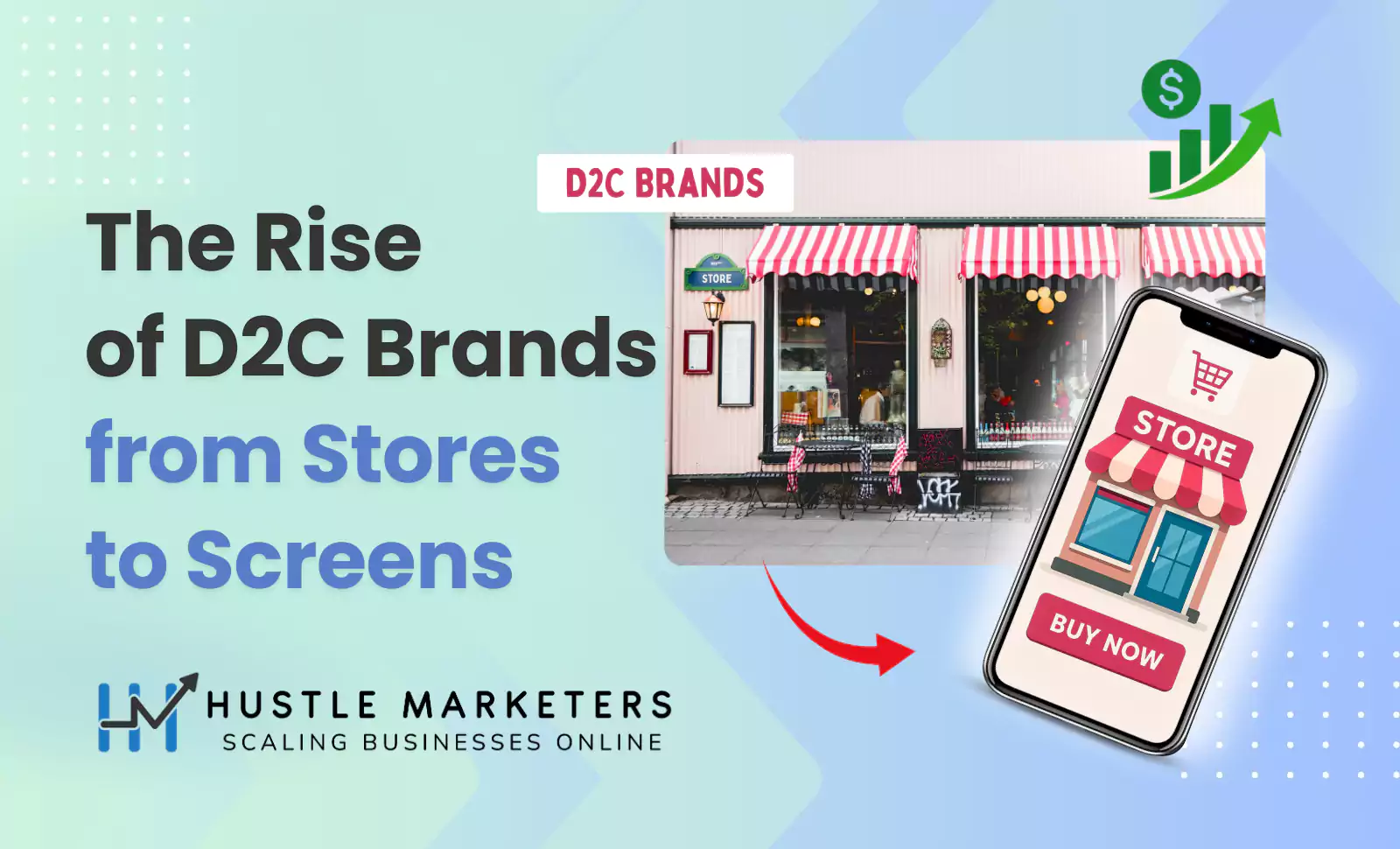
It’s 2025, and retail feels noisy right now. Ads cost more, customer attention is scattered across dozens of channels, and privacy rule changes keep moving the goalposts for marketers. At the same time, shoppers expect speed, transparency, and personalization, without paying more or waiting longer. Conventional wholesale-to-retail pipelines weren’t built for this reality, which is why direct-to-consumer (D2C) brands are stealing the spotlight in 2025. When marketing is done right, D2C brands in 2025 can benefit from tighter margins, faster feedback loops, and a brand relationship that isn’t rented from a retailer or an algorithm.
This is why this blog unpacks where D2C is winning, where it’s wobbling, and how smart operators are adapting as per the direct-to-consumer retail trends. Read on to uncover market insights, and
What is a D2C Brand?
A D2C or Direct to Consumer Brand sells products directly to consumers without relying on third-party retailers, wholesalers, or distributors. This model allows the brand to own the entire customer journey- from marketing and sales to delivery and after-sales service, so businesses can bypass the middlemen and gain greater control over pricing, branding, and customer experience.
Why D2C Business Model Still Matters?
D2C isn’t just about “selling online”; it’s a different operating model where a brand sells its products directly to customers without going through middlemen like wholesalers, distributors, or retail stores. In this model:
- The brand makes and markets its products
- Customers buy directly from the brand’s website, app, or store.
- There’s no third party involved, which helps brands control prices, offer better deals, and build a closer relationship with customers.
Global e-commerce keeps expanding, and it is projected to grow to USD 5.5 trillion by 2027 with a steady 14.4% compound annual growth rate (Source), and D2C remains one of the most agile ways to participate in that growth.
However, here’s the 2025 twist: growth at all costs is out. Profit and operational discipline are in trend, and reports across the industry point to rising acquisition costs, more headwinds on returns, and a pivot towards omnichannel marketing for scale.
The Demand Side: What Shoppers Want in 2025?
The future of retail is D2C because customers haven’t lowered expectations; they have raised them, and they want:
- Frictionless discovery and purchase on mobile and social media platforms
- Personalized experiences across channels (site, email, SMS, and retail media)
- Transparent values (sustainability, sourcing, and fair pricing)
- Fast, flexible fulfillment with clear returns
McKinsey’s 2025 consumer readout highlights “sticky” behaviour shifts, including more value-seeking, channel fluidity, and loyalty that must be earned through ongoing relevance. Thus, a D2D business model that listens and iterates fast will bank the next wave of loyalty without any setbacks.
The Supply Side: What Brands Face in 2025?
Here’s the reality check for the retail industry 2025 from the supply side:
- Rising Cost to Get Customers: It’s getting more expensive to attract new buyers. In fact, many D2C brands are now focusing more on keeping existing customers and increasing their lifetime value(LTV) rather than just spending on ads to bring new ones. You can explore Powerful Ecommerce Strategies to Work on Black Friday to see how top brands maximize seasonal spikes for retention and not just acquisition.
- Returns cutting into profits: In 2024, a large number of online purchases were returned, which cost US retailers over $800 million. (NRF) This is why in 2025, more brands are planning to introduce smarter return policies and better tools to help customers choose the right product the first time.
- Privacy Rules Keep Shifting: Google decided not to fully remove third-party cookies in Chrome yet, but it will keep working on Privacy Sandbox. This gives brands more time, but it’s still important to build rock-solid first-party data strategies. If you are new to analytics updates, A Comprehensive Guide to Google Analytics 4 will help you prepare.
- Personalization Moves From “Nice” to “Necessary”: Shoppers now expect relevance at every touchpoint, ranging from site and email to SMS, ads, and even packaging. Companies that execute personalization well can witness a 10-15% rise in revenue, and those that don’t are training audiences to ignore them.
The 2025 D2C Growth Blueprint
In case you are wondering about the best D2C marketing strategies to keep you ahead of your competitors, here’s a sustainable market blueprint you can consider.
1) Control the whole customer journey (but partner where needed)
Being “direct” to consumers doesn’t mean doing everything alone. The most successful brands use a mix of these, along with following the ecommerce trends in 2025:
- Own channels: A brand’s website and app for storytelling, collecting customer data, and offering the best shopping experience. For example, a skincare brand uses its own site to give personalized skin quizzes and recommendations.
- Marketplaces for reach: Sell on platforms like Amazon, Flipkart, or Etsy to find new customers, but with clear rules to keep prices and brand image consistent. For instance, a shoe brand only lists a limited collection on Amazon to avoid undercutting its own site prices.
- Retail media ads: Run ads on retailer websites (like Walmart.com or Target.com) to reach people who are ready to buy and direct them to your store. You can also use the same campaign names, product collections, and creative style across your site, social media shops, and retail media ads, so it’s easy to track which channel works best.
2) Get more value from each customer (not just more sales with discounts)
With the cost of getting new customers rising, brands need to earn more from each one:
- Segmented onboarding: Spot high-value customers early and give them special nudges. Like, if you are a coffee brand, notice if a first-time buyer orders a premium blend, and then sends a “VIP” welcome offer for a subscription.
- Milestone moments: Send messages at the right time, like refill reminders, style tips, and invites to product communities.
Example: A sportswear brand sends care tips for running shoes 2 weeks after purchase. - Memberships & subscriptions: Go beyond basics, and offer subscriptions for freebies, with flexible delivery dates and additional perks to keep people subscribed.
- Smart bundles: Suggest product bundles based on what a shopper browsed or returned.
3) Turn returns into an advantage
Instead of just treating returns as a loss, retail innovation involves using retail for brand advantage. You can use them to improve:
- Offer better fit guides, customer photo galleries, and AR try-ons (especially for beauty, eyewear, or furniture).
- Make exchanges easy, highlight “free exchanges, low-cost returns.”
- For low-cost items, sometimes let customers keep them; for others, resell refurbished products or donate locally.
4) Personalize like it’s part of the product
Basic “people who bought this also bought…” isn’t enough. In 2025:
- Orchestrate journeys: Connect website behavior, emails, texts, and ads into one smart system.
- Creative personalization: Change product images, offers, and messaging based on customer type.
Example: A perfume ad for a first-time buyer shows bestsellers; for a repeat buyer, it shows limited editions. - Measure results: Test personalization against a control group to see real sales impact.
You can also learn from the 11 Best AI Marketing Tools to Skyrocket your Business 2023 to automate hyper-personalization campaigns and analyze customer behavior at scale.
5) Spend ads where buying intent is high
Yes, following eCommerce trends in 2025 is crucial, but along with it, you also need to spend on ads where buying intent is high:
- Retail media networks: Ads on retailer sites are great for closing sales.
- Creators as partners: Work with influencers long-term, and give them their own landing pages and track sales they drive.
- Social commerce: Sell directly through Instagram, TikTok, or Facebook with in-app checkout and live shopping events.
In case you are running paid campaigns, this guide on eCommerce PPC: Mastering Google Shopping can offer practical ways to increase ROAS by targeting ready-to-buy audiences.
Metrics That Matter in 2025
- Profit per order (after returns and shipping)
- How quickly you make back the cost of ads for each group of customers
- Customer lifetime value vs. cost to acquire them
- Return rate by product and source of customer
- Revenue from personalized experience
Conclusion
D2C domination in 2025 isn’t just about shouting louder; it’s rather about owning the relationship, understanding consumer buying behavior, and compounding small wins. The brands that keep promises at the doorstep, personalize with substance, and stitch together social, retail media, and owned channels will not just grow; they will grow profitably.
Need more information on how to achieve online retail growth, or need insights on D2C marketing strategies? Stay tuned!
Frequently Asked Questions
Is D2C Growth slowing down in 2025?
Should a D2C brand sell on marketplaces or stay pure-play direct?
Are retail media networks (RMNs) worth it for D2C brands?